
Why South Riding’s Market Often Feels Calmer Than the Headlines
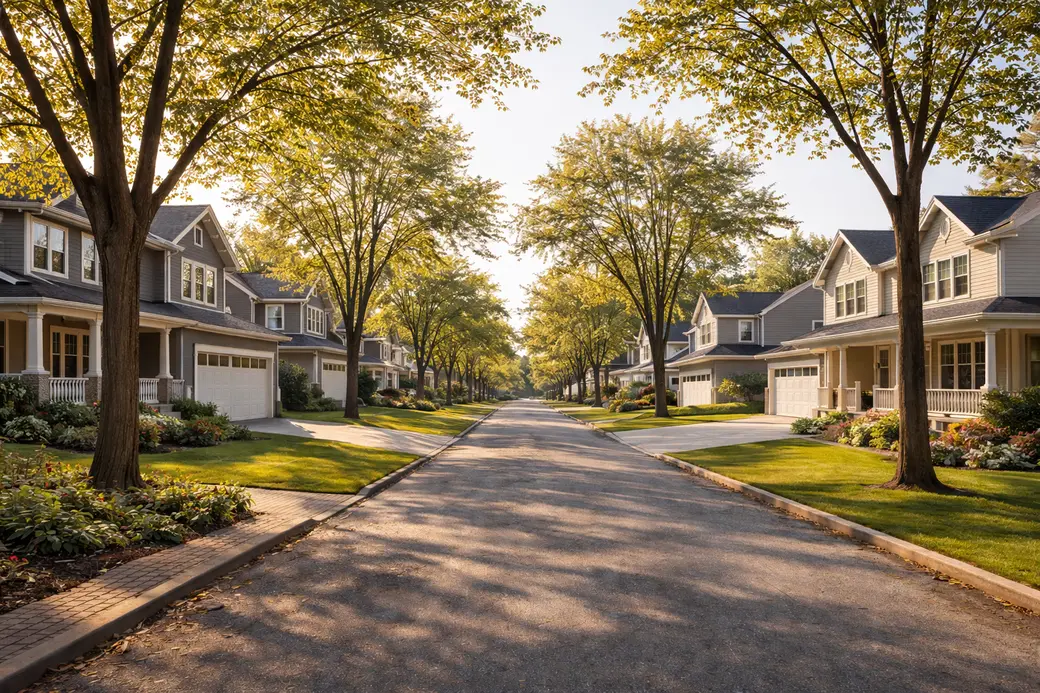
Why South Riding’s Market Often Feels Calmer Than the Headlines
Real estate headlines tend to move quickly from one conclusion to the next.
They often describe changes as if they arrive everywhere at once and affect every homeowner in the same way. Inside a specific neighborhood, the experience is usually more uneven.
South Riding has its own pacing.
Over time, one pattern that repeats here is that market changes tend to show up first as quiet observation — conversations at home, comparisons to past cycles, and internal timing checks — long before anything becomes visible publicly. That doesn’t mean activity isn’t happening. It means the sequence looks different.
How Market Narratives Reach South Riding
When broader market narratives shift, they tend to arrive here as background context rather than prompts for immediate change.
Homeowners notice the headlines. They hear pieces of the conversation at school pickup, during youth sports, or through neighbors who have lived here just as long. What usually follows isn’t action, but comparison.
People measure new information against what they already know: how long they’ve owned their home, how the neighborhood has behaved in the past, and where their household actually is in its timeline. Daily routines continue. School calendars, commutes, and established patterns stay intact.
The market becomes something people are aware of, not something that interrupts daily life.
That separation between awareness and action is one of the earliest signs of how change tends to move through South Riding.
Ownership Timelines Shape How Change Is Absorbed
Length of ownership matters here.
Many South Riding homeowners moved in with the expectation of staying. Homes were often purchased with school years, family growth, and long-term routines in mind. As a result, market changes are rarely evaluated on their own.
What tends to happen instead is a familiar internal sequence:
- New information is noticed.
- It’s compared to past experience in the neighborhood.
- It’s weighed against personal timing rather than market momentum.
This process often stretches across years, not months. Short-term shifts rarely feel urgent because they’re filtered through a longer ownership history.
That longer view is something many people don’t fully recognize until they’ve lived here for several years.
What People Don’t Realize About Living in South Riding Until Year 3–5
Activity That Doesn’t Announce Itself
A calmer feel doesn’t mean the market is standing still.
Homes in South Riding continue to change hands, but the activity often unfolds without much visible urgency. Showings take place quietly. Interest forms early around certain properties, even if there’s little outward signal that anything is happening.
Over time, a few consistent patterns repeat:
- Homes that fit long-established neighborhood expectations tend to receive early attention.
- Certain layouts and locations continue to register the same way they have for years.
- Decisions are often settled privately before anything becomes visible.
When a home does come on the market, it’s usually after a long period of private consideration — conversations, timing checks, and readiness assessments that never showed up publicly.
As a result, movement can appear abrupt from the outside, while feeling expected to those who live here.
That sequence is especially common among long-term owners.
What Long-Term South Riding Homeowners Should Consider Before Making Their Next Move
Familiarity Reduces Reactivity
South Riding is a place people know well.
Over time, familiarity with schools, trails, traffic patterns, and seasonal rhythms shapes how new information is processed. Instead of reacting immediately, homeowners tend to pause and assess relevance.
Internal questions often sound like:
- Does this change anything about how we live here right now?
- How does this compare to what we’ve already seen in this neighborhood?
- Is this something to watch, or something to act on?
Those questions slow the decision cycle rather than accelerate it.
That habit of observation before action is one reason market shifts here often feel less dramatic than they’re described elsewhere. Long-term ownership is one reason that habit becomes so consistent here.
How Long-Term Ownership Changes the Way South Riding Homeowners Interpret the Market
How Timing Becomes Visible
Families in South Riding often plan around school years rather than market cycles. Homeowners think in phases rather than moments. Even when someone begins considering a future change, that thinking often stays private for a long time.
Because of that, what becomes visible in the market usually reflects decisions that have already been considered over an extended period, rather than reactions to recent conditions. What shows up publicly often depends on what long-term homeowners have been paying attention to well before anything changes.
What Long-Term South Riding Homeowners Tend to Pay Attention to — and What They Don’t
What looks sudden from the outside is often the final step in a much longer, quieter process.
Patterns That Repeat Over Time
This pattern has shown up more than once.
In different market conditions, the sequence tends to look similar: broader conversations accelerate, households here take their time, and visible decisions surface only after extended consideration. That same pattern often shows up earlier as quiet awareness before it ever turns into visible action.
How Market Awareness Slowly Turns Into Strategy for South Riding Homeowners
Over time, that consistency shapes expectations — not about outcomes, but about how long decisions usually take in South Riding.
The way the neighborhood was built, and the kinds of households it attracted, plays a meaningful role in why that pace has remained relatively consistent.
Related Reading
For additional context on how South Riding developed into a community shaped by long-term ownership:
How South Riding Has Evolved Since Homes Were Built in 1999–2000
If you ever want to talk through how any of this relates to your own situation, I’m always happy to have a quiet, no-pressure conversation.
Or email me directly at: danielle.wateridge@gmail.com
Categories
Recent Posts




Get More Information
