
Which comes first: buying a new home or selling your current home?
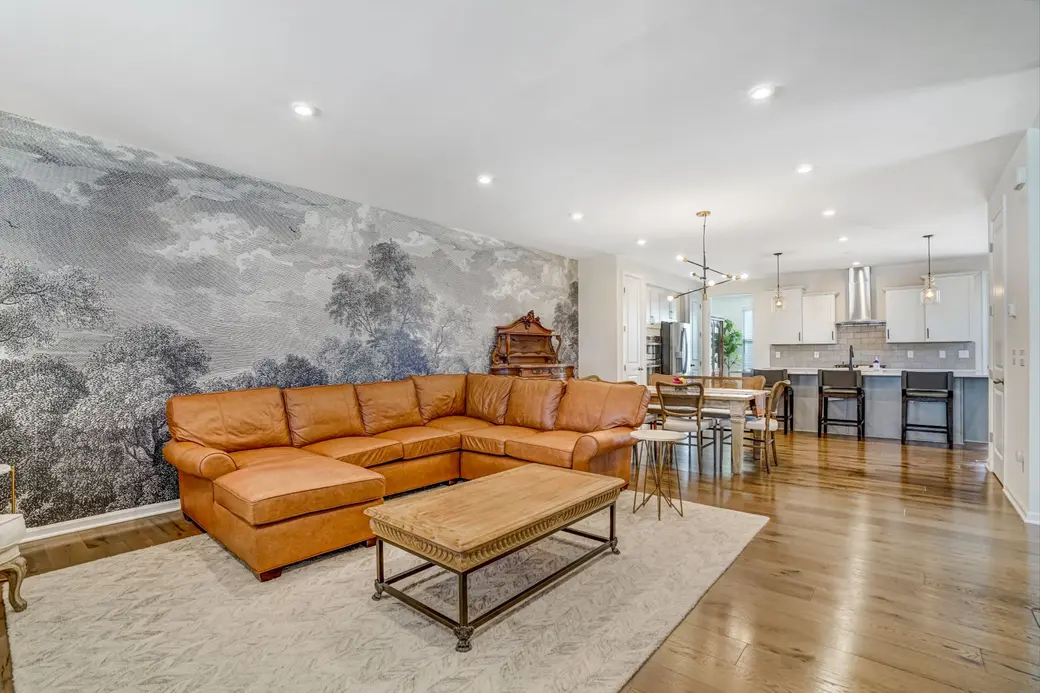
Which comes first: buying a new home or selling your current home?
The short answer: It depends on your finances, available home equity, and how much flexibility you have with your move. Buying before selling can make the transition easier because you have your next home secured before leaving your current one. However, it may require qualifying for two mortgage payments and finding a way to access your existing home equity. Selling first gives you a clearer budget and reduces financial pressure, but you may need temporary housing while searching for your next home.
For many Northern Virginia homeowners, the best approach is not necessarily to buy first or sell first. It is to coordinate both transactions around a realistic budget, a clear timeline, and a backup plan. Understanding the options before listing your home can help you avoid rushed decisions, unexpected expenses, and unnecessary stress.
Should You Buy First or Sell First?
There is no single strategy that works for every homeowner. The right choice depends on how much equity you have, whether you can qualify for another mortgage, how quickly your current home is likely to sell, and how competitive the market is for the home you want to buy.
Here are three common approaches:
|
Strategy |
Main advantage |
Biggest risk |
Best fit |
|
Sell first |
You know your available proceeds and avoid carrying two mortgages |
You may need temporary housing or feel pressured to find your next home |
Homeowners who need their sale proceeds for the next purchase or want to minimize financial risk |
|
Buy first |
You secure your next home before moving out of your current one |
You may carry two mortgage payments and other expenses if your current home takes longer to sell |
Homeowners with strong cash reserves, sufficient income, or access to short-term financing |
|
Coordinate both closings |
You can move from one home to the next with little or no gap |
Delays in either transaction can affect the entire schedule |
Homeowners with a buyer and seller willing to coordinate closing dates and flexible terms |
The best strategy should give you enough financial breathing room. A plan that works only if everything closes on the exact date may leave very little room for unexpected delays.
What Is a Home Sale Contingency?
A home sale contingency is a condition written into your purchase contract stating that your purchase of the next home depends on selling your current property within an agreed period.
For example, imagine you find a home in South Riding that you want to purchase, but your current home in another part of Northern Virginia has not sold yet. You could submit an offer that makes your purchase dependent on finding a buyer and completing the sale of your existing home.
This arrangement can protect you from being obligated to purchase a new home before your current one sells. However, it can also make your offer less attractive to the seller, particularly when other buyers are ready to proceed without that condition.
Before making a contingent offer, understand the deadlines, notice requirements, and consequences of not meeting the conditions. Your real estate agent can help explain the contract so you feel fully informed.
What Are Bridge Loans and Rent-Backs?
If you want to buy your next home before selling your current one, two options worth discussing are bridge loans and rent-back agreements. They solve different problems: one helps with financing, while the other helps with moving logistics.
How does a bridge loan work?
A bridge loan is short-term financing that can help homeowners access funds for their next purchase before receiving the proceeds from their current home sale.
For example, you may have substantial equity in your existing home, but most of that money is tied up in the property. A bridge loan may allow you to borrow against that equity to help cover the down payment or other purchase expenses on your next home.
Once your current property sells, the proceeds can be used to repay the bridge loan, depending on the loan terms.
However, bridge loans are not automatically the right solution. Consider the following:
- Interest and fees: Short-term financing may cost more than a traditional mortgage.
- Repayment timeline: You need a realistic plan for repaying the loan when your current home sells.
- Qualification: The lender will review your financial situation, available equity, and ability to manage the debt.
- Market risk: If your current home takes longer to sell or sells for less than expected, repayment may become more difficult.
A bridge loan should not be based solely on the amount of equity you believe you have. Ask a lender to calculate the total borrowing cost and explain what happens if your home does not sell within the expected timeframe.
What is a rent-back agreement?
A rent-back agreement allows you to sell your current home but remain in the property for an agreed period after closing. Instead of moving out immediately, you temporarily rent the home from its new owner.
For example, you might close on the sale of your current home on June 10, but your next home will not be ready for occupancy until June 25. If the buyer agrees, a rent-back arrangement may allow you to remain in the property during that gap.
This can be helpful because it gives you additional time to coordinate your move without immediately arranging temporary housing.
However, rent-backs require careful planning:
- The buyer must agree to the arrangement.
- The length of occupancy and any rent or security deposit must be established in writing.
- Responsibilities for utilities, maintenance, damage, and insurance should be clearly addressed.
- The agreement should specify the exact date and time you must vacate.
- The buyer's mortgage requirements may limit how long the seller can remain after closing. If they are purchasing the property as their primary residence, then they have a maximum of 60 days until they must occupy the home.
Can I Carry Two Mortgages?
Yes, some homeowners can qualify for a new mortgage while still paying for their existing home. However, being approved for two mortgages does not necessarily mean carrying both payments is financially comfortable.
When you apply for a new mortgage, your lender evaluates your income, existing debts, credit history, assets, and debt-to-income ratio. If you still own your current home, its mortgage payment and other qualifying housing expenses may be included when determining whether you can afford the new loan.
For example, imagine your current mortgage payment is $2,400 per month and the estimated payment on your next home is $3,200 per month.
|
Expense |
Monthly amount |
|
Current home mortgage |
$2,400 |
|
New home mortgage |
$3,200 |
|
Combined mortgage payments |
$5,600 |
This example only includes the two mortgage payments. Your actual costs may also include property taxes, homeowners insurance, HOA or community assessments, utilities, maintenance, and other expenses.
Your lender will determine which obligations must be included in your mortgage qualification. Do not assume that an expected sale, a pending listing, or anticipated rental income will automatically remove your current mortgage from the calculation.
For certain conventional loans, Fannie Mae has specific requirements for how rental income from a departing residence may be considered. The treatment depends on the borrower's situation and required documentation. Your lender should review the applicable loan guidelines rather than relying on an estimated rental amount.
Before making an offer, ask your lender to evaluate your finances under at least two scenarios:
- Buying while keeping your current mortgage.
- Buying after your current home has sold and the existing mortgage has been paid off.
You should also calculate how long you could comfortably manage both properties if your current home takes longer than expected to sell.
How Do I Avoid Being Homeless Between Closings?
One of the biggest concerns when selling and buying at the same time is the possibility of having to leave your current home before your next one is ready.
The good news is that there are several ways to reduce this risk. The key is to plan your closing dates and temporary housing arrangements before you commit to either transaction.
Coordinate your closing dates
If possible, work with your agent, lender, and settlement company to coordinate the sale of your current home with the purchase of your next one.
For example, you may arrange to sell your current home in the morning and purchase your next home later that day. However, same-day closings require careful coordination. Funds from the sale may not be available immediately, and delays with lender approval, recording, or settlement can affect the purchase.
A safer alternative may be to schedule the sale a few days before the purchase, provided you have somewhere to stay during the gap.
Negotiate a rent-back
If the buyer of your current home is willing, a rent-back can give you additional time to move after closing. This may be especially helpful when your next home is already under contract but the closing dates do not line up perfectly.
Make sure the agreed occupancy period is long enough to cover the expected gap, with some allowance for delays.
Arrange temporary housing in advance
If selling first is the best financial decision, consider temporary housing before putting your home on the market.
Possible arrangements include:
- A short-term rental or furnished apartment.
- Staying with family or friends, if practical.
- An extended-stay hotel.
- A short-term rental near your preferred neighborhood.
You may also need to budget for storage, moving expenses, and the possibility of moving twice.
Negotiate a longer closing period
Sometimes the seller of the home you want to purchase may be willing to accept a longer closing timeline. This can give you more time to sell your current property and coordinate the move.
The seller's willingness will depend on their own plans, the property's market conditions, and the strength of competing offers. It is worth discussing early rather than assuming the seller will accommodate a delayed closing.
What Should Northern Virginia Homeowners Consider?
Northern Virginia homeowners often have to balance substantial home equity with a competitive and highly localized housing market. The right timing strategy can vary depending on the neighborhood, property type, price range, and number of available homes.
For example, a homeowner selling a townhome may face a different set of market conditions from someone selling a detached home. The same is true when purchasing: the number of competing buyers and available properties can influence how much flexibility a seller is willing to offer.
Before choosing a strategy, consider these questions:
- How much equity will you realistically receive after paying off your mortgage and selling expenses?
- Will you need those proceeds for the down payment on your next home?
- Can you qualify for the next mortgage without selling first?
- How much cash will remain after the purchase?
- Are homes in your desired price range selling quickly?
- Do you have a backup housing arrangement if the closings do not line up?
A local market analysis can help estimate your current home's likely selling price and identify the types of homes available in your next neighborhood. This gives you a more realistic starting point than relying on an online home value estimate alone.
What Does This Mean for Homeowners in South Riding?
For South Riding homeowners, the decision to buy first or sell first should include both the current home's expected selling price and the availability of the next home.
If you are moving within South Riding, you may be selling one property type and purchasing another. For example, moving from a townhome to a detached home may involve a different price range, monthly housing expense, and buyer pool.
September 2026 market figures provide a useful snapshot of the differences between the two property types:
|
Property type |
Average sold price |
Homes sold |
Active listings |
|
Townhomes |
$677,488 |
9 |
8 |
|
Detached homes |
$965,580 |
5 |
9 |
These figures represent a single month's market activity, not a guarantee of how quickly an individual property will sell. The sample size is also limited, so your home's condition, location, size, pricing, and competition should be considered separately.
The most practical first step is ask an agents to evaluate your current home's likely market value - and estimate your net proceeds - and speak with a lender about your purchasing power. Once you understand those numbers, you can decide whether selling first, buying first, or coordinating both closings makes the most sense.
How Do You Decide Which Strategy Is Right for You?
Before choosing a direction, look at your financial situation and your tolerance for timing uncertainty.
Selling first may make sense if:
- You need your current home's equity to fund your next purchase.
- You do not want to carry two mortgage payments.
- You prefer knowing your actual sale proceeds before setting your next-home budget.
- You have flexibility with temporary housing or your purchase timeline.
Buying first may make sense if:
- You have enough savings or accessible equity for the next purchase.
- Your income and lender approval support carrying both homes temporarily.
- You want to secure a particular property before giving up your current home.
- You have a realistic plan to sell your existing property.
Coordinating both closings may make sense if:
- You have a buyer for your current home and a property under contract.
- Both parties are willing to work with the proposed dates.
- Your lender and settlement company can coordinate the transactions.
- You have a backup plan in case one closing is delayed.
There is no need to rush into a decision simply because you have found a home you like or believe your current home will sell quickly. A little preparation can make the transition much easier.
Before listing, speak with your real estate agent about pricing and timing, ask your lender to review your financing options, and calculate the expenses involved in each scenario. The goal is to move into your next home without putting unnecessary pressure on your finances.
Why Trust This Guide?
I’m Danielle, an advisor and founder of The Wateridge Group. For 13 years I’ve guided more than 350 families through buying and selling, often at the same time.
If you’re thinking about moving, I’m happy to walk through you through your options and help develop a personalized action plan. You can book a call here.
Categories
- All Blogs (244)
- • First-Time Homebuyers (3)
- • Home Buying Tips (4)
- • Northern Virginia Real Estate (4)
- Buyer Tips (80)
- first time home sellers (1)
- Home Improvement (1)
- Home Renovation (1)
- Home Selling Tips (3)
- home valuation (1)
- loudoun & fairfax county (1)
- New in Real Estate (69)
- Real Estate (3)
- Real Estate Financing (1)
- Real Estate Market Updates (36)
- Seller Tips (55)
- South Riding Living (28)
- South Riding VA Real Estate (4)
Recent Posts





Get More Information
