
What First-Time Home Buyers Need to Know in Northern Virginia (Loudoun & Fairfax Counties)
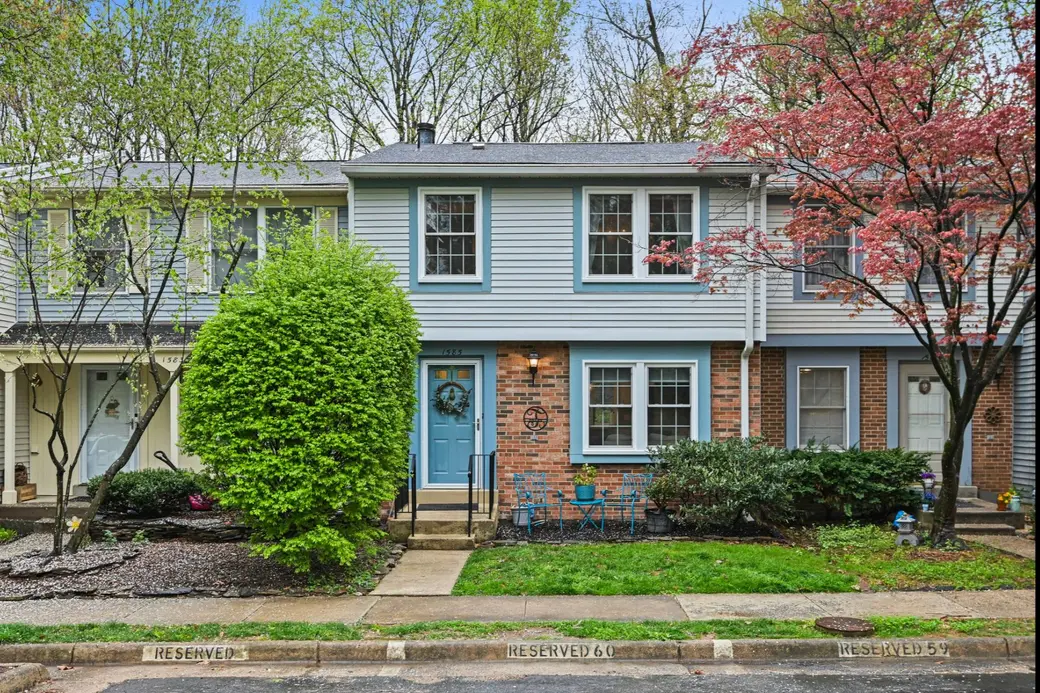
What First-Time Home Buyers Need to Know in Northern Virginia (Loudoun & Fairfax Counties)
The short answer: Buying your first home in Loudoun or Fairfax County takes more preparation than in most of the country, but fall 2026 is one of the more workable windows first-time buyers have had in years. Median prices in both counties sit around $750,000, and active listings are up more than a third from last year, so buyers have more choice and more room to negotiate. Federal loan limits here are among the highest in the nation, and both counties offer down payment programs worth tens of thousands of dollars to buyers who qualify. Your best first move is to understand your real monthly budget, then check which assistance programs fit your income and price range.
What does the Northern Virginia market look like for first-time buyers right now?
Prices are high, but competition has eased. In September 2026, the median sold price was $758,500 in Loudoun County and $749,750 in Fairfax County. Active listings rose 34.1% in Loudoun and 35.6% in Fairfax compared with last September.
That extra inventory matters. Loudoun now has about 2.4 months of supply and Fairfax about 2.3, up from roughly 1.8 a year ago. Homes are still selling in a median of 16 to 19 days, so preparation still counts, but buyers are less likely to face the bidding wars of recent years.
How much house can I actually afford in Loudoun or Fairfax County?
Start with the monthly payment you’re comfortable with, not the maximum a lender approves. Your housing cost includes more than principal and interest:
- Property taxes: Loudoun’s real property tax rate for 2026 is $0.805 per $100 of assessed value, unchanged from last year. Fairfax lowered its rate by a quarter cent to $1.12 per $100 for FY 2027. On a similar-priced home, that difference adds up to hundreds of dollars a month.
- Homeowners insurance
- Mortgage insurance, depending on your loan type and down payment
- HOA or condo fees, which are common in Northern Virginia townhome and planned communities
- Utilities, commuting, and maintenance
The goal is a payment that still leaves room for everyday expenses and savings.
How do Loudoun and Fairfax compare for first-time buyers?
First-Time Buyer Snapshot: Loudoun vs. Fairfax County (2026)
|
Loudoun County |
Fairfax County |
|
|
Median sold price (Sep 2026) |
$758,500 |
$749,750 |
|
Median days on market |
19 |
16 |
|
Months of supply |
2.41 |
2.31 |
|
Real estate tax rate (per $100) |
$0.805 |
$1.12 |
|
Est. annual tax at median price |
~$6,100 |
~$8,400 |
|
3% down at median price |
~$22,750 |
~$22,500 |
|
20% down at median price |
~$151,700 |
~$150,000 |
|
Conforming & FHA loan limit (1-unit) |
$1,249,125 |
$1,249,125 |
|
County down payment help |
DPCC: up to $70,000 |
FCRHA: up to $50,000 |
Tax estimates assume the assessed value equals the median sold price. Your actual bill depends on your home’s assessment.
Do I need a perfect credit score to buy a home?
No. Different loan programs have different requirements, and many county assistance programs set the bar at a 620 middle credit score. Before applying, pull your reports from all three bureaus at AnnualCreditReport.com and dispute any errors early.
To strengthen your credit before you apply:
- Pay every bill on time.
- Keep credit card balances low.
- Avoid opening new accounts or financing large purchases like a car or furniture.
- Don’t close old accounts without a clear reason.
Do I really need 20% down?
No, and very few first-time buyers here put 20% down. Conventional first-time buyer loans can start at 3% down, and FHA loans at 3.5%. At Northern Virginia prices, that’s still a meaningful sum, so plan for these costs too:
- Earnest money deposit, submitted with your offer
- Home inspection and appraisal fees
- Closing costs, including lender fees, title insurance, and prepaid taxes and insurance
- Virginia recordation tax: buyers in Virginia generally pay recordation tax twice, once on the deed based on the purchase price and once on the deed of trust based on the loan amount, at a state rate of 25 cents per $100, plus a local add-on of about one-third of that
- Moving costs and an emergency cushion for after you close
Pro tip: If a family member is helping with a gift, tell your lender early. It will need to be documented.
What down payment assistance is available in Northern Virginia?
This is the step most first-time buyers here overlook, and it can make a significant difference.
Virginia Housing (statewide)
- The Down Payment Assistance Grant covers 2.0% of the purchase price on an eligible conventional loan or 2.5% on an eligible FHA loan, is a true grant with no repayment, and requires a Virginia Housing first mortgage. On a $758,500 home, that’s roughly $15,000 to $19,000.
- The Plus Second Mortgage is an alternative for buyers who don’t qualify for the grant, is open to first-time and repeat buyers, and has higher income and sales price limits than the grant.
Loudoun County
- The Down Payment/Closing Cost Assistance (DPCC) program offers up to $70,000 or 10% of the purchase price, whichever is less, as a 15-year forgivable loan. Applicants need a gross household income between $49,200 and $114,749, a middle credit score of at least 620, and must have lived or worked in Loudoun for at least six months.
- The SPARC program offers lower interest rates to first-time buyers who live or work in Loudoun, for homes priced at $750,000 or less, with higher income limits than DPCC.
- Loudoun County Public Schools and county government employees may also qualify for the DPCC Plus and Public Employee Homeownership Grant programs.
Fairfax County
- In April 2026, the Fairfax County Redevelopment and Housing Authority began offering down payment loans of up to $50,000 to buyers with household income at or below 80% of area median income, which is $131,000 for a family of four. Buyers must use a first mortgage through a Virginia Housing lender and live in the home as their primary residence.
- The Fairfax County First-Time Homebuyers Program also offers townhomes and condos priced below market value to income-eligible households.
Most programs define a first-time buyer as someone who hasn’t owned a home in the past three years, so you may qualify even if you’ve owned before. Many also require a Virginia Housing homebuyer education course, which is free and available online.
Which mortgage is right for a first-time buyer in Northern Virginia?
Northern Virginia’s high-cost designation gives buyers more options than in most of the country. For 2026, the conforming loan limit for a one-unit home in Loudoun, Fairfax, and the surrounding Northern Virginia counties is $1,249,125, and the FHA limit matches it exactly. With county medians around $750,000, most first-time purchases fall well within both limits.
- Conventional loans: Good for buyers with solid credit. Private mortgage insurance can typically be removed once you build enough equity.
- FHA loans: More flexible on credit and down payment, but mortgage insurance usually lasts longer.
- VA loans: Eligible veterans and service members may buy with no down payment and no monthly mortgage insurance. VA financing is common in this region.
- Virginia Housing loans: Required if you want to pair your mortgage with Virginia Housing grants
Pro tip: Request Loan Estimates from at least two or three lenders and compare the total cost, not just the interest rate.
When should I get pre-approved?
Before you start touring homes! A pre-approval involves a real review of your income, assets, and credit, and it shows sellers you’re a serious buyer. Have these ready:
- Recent pay stubs and W-2s, or tax returns if you’re self-employed
- Bank and retirement account statements
- Identification
- Explanations for employment gaps or large deposits
Once you’re pre-approved, hold off on job changes, new debt, or big purchases until after closing.
How do I choose the right Northern Virginia neighborhood?
Closer-in areas like Arlington, Alexandria, Tysons, and Falls Church offer Metro access at higher prices per square foot. Loudoun and western Fairfax typically offer more space for the money, with longer commutes. Compare:
- Commute times at the hours you’ll actually travel
- School assignments for each specific address
- HOA fees and what they cover
- Which county the home is in, since tax rates differ significantly
- Access to Route 28, Route 50, I-66, the Dulles Toll Road, and the Silver Line
Pro tip: Write down your must-haves and nice-to-haves before touring. It makes decisions much easier when the right home appears.
What should I know about making an offer?
Your offer will typically include the price, earnest money deposit, contingencies (inspection, financing, appraisal), closing date, and any request for seller help with closing costs.
With inventory up across both counties, buyers this fall have more room to keep protections in place and ask for seller credits, especially on single-family homes. If you’re considering waiving a contingency, talk through the risks with your agent first.
Which inspections should I get on a Northern Virginia home?
Virginia sellers can limit what they disclose about a home’s condition, so your own due diligence matters. Beyond a general home inspection, consider:
- Radon testing
- Wood-destroying insect inspection
- Sewer scope, especially on older homes
- Roof and HVAC evaluation, since many 1990s and 2000s homes in Loudoun and western Fairfax are due for replacements
- Drainage and grading review
- HOA document review, including reserves, special assessments, and rules
An appraisal is not an inspection. It confirms value for the lender but says nothing about condition.
What happens before closing day?
Your lender must send a Closing Disclosure at least three business days before closing. Compare it with your Loan Estimate and ask about any changes. Before closing:
- Arrange homeowners insurance.
- Prepare your closing funds.
- Verify wire instructions by phone using a number you trust. Wire fraud targeting homebuyers is common.
- Complete a final walk-through.
- Bring the ID and documents your settlement company requests.
A Simple First-Time Buyer Timeline
6 to 12 months out
- Review and improve your credit.
- Start saving for your down payment and closing costs.
- Check Virginia Housing, Loudoun, and Fairfax program eligibility.
3 to 6 months out
- Talk to lenders.
- Compare loan options and estimated costs.
- Research neighborhoods and commutes - an easy way to get an idea of what's out there and solidify your preferences is by taking advantage of our Sip & Stroll service, book a time here.
1 to 3 months out
- Get pre-approved.
- Choose an agent.
- Narrow your preferred areas and price range.
During your search
- Tour homes and compare total ownership costs.
- Make offers and schedule inspections.
Under contract
- Complete inspection and appraisal.
- Finalize financing and insurance.
- Review your Closing Disclosure.
At closing
- Do the final walk-through, sign, and get your keys!
Top 6 Takeaways for First-Time Buyers in South Riding
- It’s Loudoun, even though the mailing address says Chantilly. South Riding homes use a Chantilly 20152 address but sit in Loudoun County, so they’re taxed at Loudoun’s $0.805 rate, not Fairfax’s $1.12. On a $700,000 home, that’s roughly $2,200 a year less in property taxes than a comparably assessed home in Fairfax.
- Townhomes are the realistic entry point, and they move fast. The September median sold price in South Riding was $727,450, with homes selling in a median of just 13 days. Townhomes averaged $677,488 and had less than one month of supply. Have your pre-approval ready before you start touring.
- Many South Riding townhomes fall within Loudoun program limits. Most townhome prices sit below SPARC’s $750,000 cap, and Loudoun’s DPCC program can contribute up to $70,000 for eligible buyers who live or work in the county.
- The HOA covers a lot. South Riding offers 4 outdoor pools, 10 playgrounds, 4 tennis courts, a pickleball court, and miles of trails, and it’s home to the county’s Dulles South Recreation and Community Center with an indoor pool, fitness center, and climbing wall. Trash and amenities are included in the HOA dues.
- Commuting is about access. South Riding sits near the Dulles technology corridor, with quick access to Routes 50 and 28 and I-66. Test your commute at rush hour before you commit.
- Single-family homes offer more room to negotiate. With more detached homes on the market this fall, buyers have better odds of securing seller credits for closing costs or a rate buydown.
Why Trust This Guide?
I’m Danielle, an agent with The Wateridge Group. For 13 years I’ve helped buyers and sellers across Northern Virginia and Loudoun County, and I’ve guided more than 350 families through the process, many of them first-time buyers learning it all for the first time.
I’ve also lived in South Riding for six years. I know how the townhome sections compare and what the commute actually feels like on a Tuesday morning. When I help a first-time buyer, I start with the numbers that matter for your situation and focus on step-by-step guidance throughout the process - purchasing a home can be complicated and feel overwhelming but a good agent is there to make you feel fully informed and supported the whole way through.
If you’re starting to think about buying, I’m happy to walk you through your budget, introduce you to my trusted lender partners, and help you figure out whether now is the right time for you. Give me a call at 703-639-8869 or book a strategy session here.
This article is for general informational purposes only and is not legal, tax, or financial advice. Mortgage requirements, loan limits, tax rates, assistance programs, income limits, and funding availability can change. Please verify current details with Virginia Housing, Loudoun County or Fairfax County housing offices, a licensed mortgage lender, and other appropriate professionals before making decisions.
Categories
Recent Posts

Get More Information
