
Selling Your Home for the First Time? Here's What I'd Want You to Know
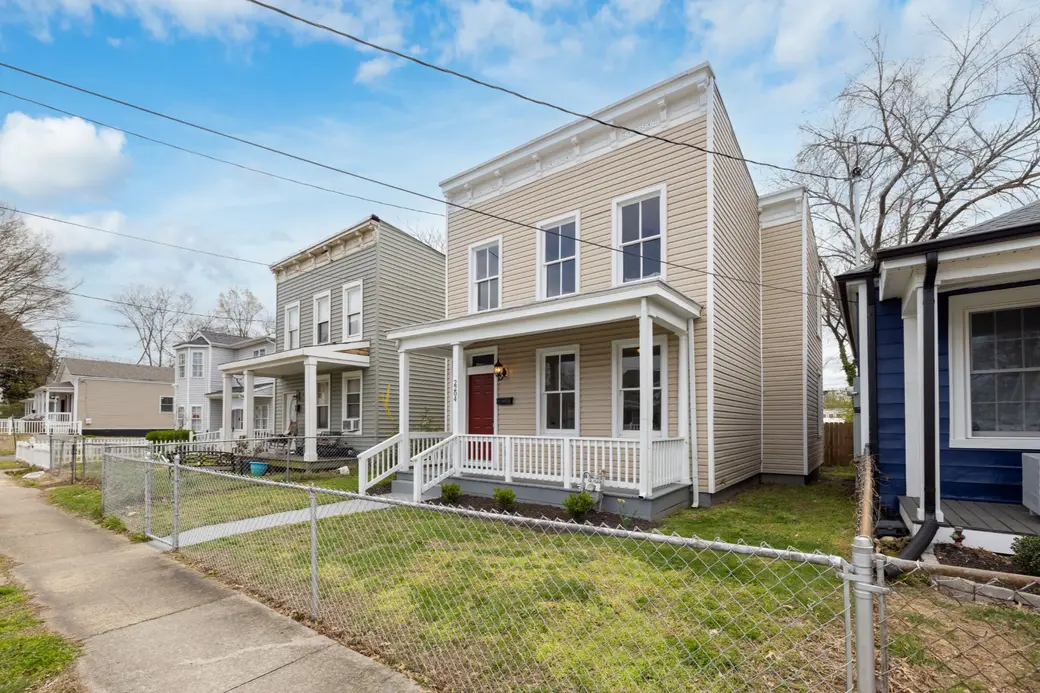
Selling Your Home for the First Time? Here's What I'd Want You to Know
A first-time seller's guide to Northern Virginia, from your South Riding neighbor
If you're thinking about selling your home for the first time, I'm guessing you have a lot of questions. What's my home actually worth? Should I paint first? What happens after I say yes to an offer? And how much of the sale price do I really get to keep?
I hear these questions all the time, and I want you to know that feeling a little overwhelmed is completely normal. Selling a home is one of the biggest financial decisions most families ever make. The good news is that once you can see the whole process laid out in front of you, it gets a lot more manageable.
I've spent 13 years helping more than 350 Northern Virginia families buy and sell homes, and I've lived in South Riding for six of them. So whether you're in South Riding, elsewhere in Loudoun County, Fairfax County or anywhere in Northern VA, let me walk you through what to expect, step by step.
What Should I Know Before Selling My House for the First Time?
Before we talk about paint colors or asking prices, I always start with one question: what are you hoping this sale will do for your family?
Maybe you need more space. Maybe you're relocating, or you want to tap into the equity you've built. Your answer shapes everything else, including your timeline, your price and whether selling right now even makes sense. (Sometimes the honest answer is "not yet," and that's okay.)
Here's what I'd look at first if it were my home:
- What your home is worth today. Not what you paid, and not what a neighbor's house sold for three years ago, but what similar homes nearby have sold for recently and what you'd be competing against right now.
- Your financial picture. Your remaining mortgage balance, your estimated selling costs and what you might walk away with.
- Your home's condition. Any repairs or maintenance items a buyer is likely to notice.
- Your timeline. When you'd like to list, when you'd like to move, and whether you'll be buying your next home at the same time.
- Your paperwork. Property records, warranties, permits, tax information and any HOA documents.
Getting these pieces in place early means fewer last-minute decisions later, and a lot less stress.
How Do I Get My House Ready to Sell?
Buyers start forming opinions before they ever walk through the front door. A home that feels clean, cared for and welcoming makes it easy for them to picture their own life there.
The good news: you usually don't need a big renovation. In my experience, the small things tend to matter most. Here's where I'd start:
- Declutter. Clear countertops, thin out closets and pack away anything you won't need in the next few months. Rooms instantly feel bigger.
- Deep clean. Kitchens, bathrooms, floors and windows are where buyers look closest.
- Freshen up the curb appeal. A mowed lawn, trimmed shrubs, a swept walkway and a welcoming front door go a long way.
- Knock out the small repairs. Leaky faucets, loose cabinet handles, cracked caulk and burned-out bulbs all quietly tell buyers "deferred maintenance."
- Let the light in. Open the curtains, swap in bright bulbs and keep décor simple and neutral.
Before you spend money on bigger upgrades, let's talk it through together. Not every project pays for itself, and I'd much rather help you put your money where it actually makes a difference.
And if you need help, I'm happy to connect you with the cleaners, painters, handymen, organizers and movers I've personally vetted. Many of them have worked on my own home, too.
See my trusted vendors and more homeowner resources: https://novahomeownerhandbook.com/
How Do I Price My Home to Sell in Northern Virginia?
Pricing is one of the most important decisions you'll make, and it's also where I see first-time sellers feel the most unsure.
It's natural to think about what you originally paid, what you've put into renovations, or the number you're hoping for. But buyers (and their lenders) look at one thing: what the market says your home is worth today.
That's why I prepare a comparative market analysis (CMA) for every seller. It looks at:
- Recently sold homes with features similar to yours
- Active listings competing for the same buyers
- Pending sales, which show what buyers are responding to right now
- Your home's size, condition, layout and upgrades
- Your location, neighborhood and property type
Comparing apples to apples matters. A townhouse in South Riding should be measured against similar townhouses, not the average price of all detached homes across Loudoun County.
A home priced too high can sit on the market and lose momentum. A home priced thoughtfully from day one tends to attract more interest and stronger offers. My job is to give you honest numbers so you can make the call that's right for you.
How Much Does It Cost to Sell a House in Virginia?
This is the part that surprises a lot of first-time sellers: your sale price and the amount you take home aren't the same number.
Every sale is a little different, but here are the costs I'll walk you through ahead of time:
|
Expense |
What it covers |
|---|---|
|
Mortgage payoff |
Your remaining loan balance and any payoff charges |
|
Settlement costs |
Title, settlement, recording and related fees |
|
Transfer taxes |
Applicable state and local charges |
|
Agent compensation |
Compensation negotiated under your agreements |
|
Repairs or concessions |
Any repairs or buyer credits you agree to |
|
HOA fees |
Resale documents, assessments or outstanding dues |
|
Moving expenses |
Packing, transportation, storage and relocation |
How Much Will I Actually Walk Away With After Selling?
Your net proceeds are what's left after your mortgage payoff and selling costs come out of the sale price. So if your home sells for $600,000, your take-home amount will be lower once your loan balance, settlement costs, taxes and any concessions are accounted for.
Before you list, I'll prepare an estimated seller net sheet for you. It's one of the most helpful things I can give a first-time seller, because it turns a big unknown into a real number you can plan around.
What Documents and Disclosures Do I Need to Sell a House in Virginia?
Paperwork isn't anyone's favorite part, but gathering it early saves a lot of scrambling later.
In Virginia, home sales come with specific disclosure requirements. Under the Virginia Residential Property Disclosure Act, buyers are generally directed to do their own due diligence on the property's condition. Depending on your home and situation, you may still need to complete certain disclosure acknowledgments and additional forms.
Here's what I'd start pulling together now:
- Your deed and ownership information
- Current mortgage information
- Property tax records
- Receipts and records for home improvements
- Building permits, where applicable
- Appliance and system warranties
- HOA or condo association information
- Any documentation about known issues with the property
Some homes need additional disclosures for things like septic systems or zoning matters. The requirements vary, so we'll figure out together exactly what applies to your sale, and when a question calls for a legal answer, I'll point you to the right professional rather than guess.
How Will My Home Be Marketed to Buyers?
Once your home is prepped and priced, it's time to introduce it to buyers.
Great marketing starts with professional photography. Clear, well-composed photos help buyers understand your home's layout and character before they ever schedule a showing. Depending on your home, your plan may also include:
- A detailed, thoughtfully written property description
- Broad online listing exposure
- Social media promotion
- Virtual tours or video walkthroughs
- Open houses and scheduled showings
- The neighborhood and community features that make your area special
My goal is to present your home accurately while showing the care you've put into it. Before we go live, I'll walk you through exactly where and how your home will be marketed, so there are no surprises.
How Do I Choose the Best Offer on My House?
Getting your first offer is exciting! But the highest number on the page isn't always the strongest offer.
When an offer comes in, we'll look at the whole picture together:
- Price: How does it compare to your asking price and the market?
- Financing: Conventional loan, another mortgage program or cash?
- Contingencies: Is it contingent on financing, appraisal, inspection or something else?
- Earnest money: How much is the deposit, and what does the contract say about it?
- Closing date: Does the timeline work for your move?
- Other terms: Repair requests, seller concessions or personal property?
You can accept, decline or counter, and I'll explain the trade-offs of each so you can decide with confidence.
What Happens After I Accept an Offer on My House?
Accepting an offer is a big milestone, but there are still a few steps before the keys change hands. Here's what to expect once your contract is ratified:
- Inspection and due diligence. The buyer may schedule a home inspection. Depending on the contract, the results can lead to repair requests, credits or further negotiation.
- Appraisal and financing. If the buyer is using a mortgage, their lender will usually order an appraisal while the buyer works toward final loan approval.
- Title work and settlement prep. The settlement company handles the title work, prepares documents and confirms the financial details.
- Final walkthrough. Shortly before closing, the buyer walks through the home to confirm its condition and that any agreed-upon items were handled.
- Closing day. Everyone signs, funds are exchanged, and ownership officially transfers to the buyer.
Your contract sets the deadlines for each step. I'll keep track of them, keep you posted along the way, and make sure nothing slips through the cracks. I'd rather over-communicate than leave you wondering.
What Should I Know About Selling a Home in South Riding?
Selling in South Riding means understanding both the broader Northern Virginia market and our own community. As your neighbor, I have a personal stake in our home values, and I know what buyers love about living here.
A few things I'd keep in mind:
- Know your HOA requirements. Check the association's resale documents, any outstanding balances and fees, and how much lead time they need.
- Share what makes your spot special. Nearby parks, trails, pools, recreation and everyday conveniences are all worth highlighting.
- Compare like with like. Townhouses, detached homes and condos each attract different buyers and compete with different listings.
- Expect buyers to shop around. Many are considering several homes in the same community, so condition, presentation, price and showing availability all matter.
- Plan your next move early. If you're buying another home too, let's map out the timing from the start.
What Mistakes Do First-Time Home Sellers Make?
None of these are hard to avoid once you know to look for them:
- Pricing based on hope instead of data. An overpriced home can sit and lose momentum.
- Skipping small repairs. Little issues shape first impressions and often become negotiation points.
- Rushing the prep. Clutter, dim lighting and so-so photos make it harder for buyers to fall in love.
- Looking only at the highest offer. Terms, financing, contingencies and timing matter just as much.
- Underestimating costs. Forgetting the mortgage payoff and selling expenses can lead to an unwelcome surprise at closing.
- Waiting on paperwork. Gathering documents late adds stress once you're under contract.
- Signing before you understand. Always know your terms, deadlines and obligations first.
Do I Need a Real Estate Agent to Sell My House?
At The Wateridge Group, we think of ourselves as advisors first and agents second. That means my job isn't just to list your home. It's to help you make the best decision for your family, even if that means waiting to sell, renting out your home, or focusing on improvements to enjoy the remaining time in your home.
Here's how we can work together:
- Strategy session. We talk through your goals and timeline and build a personalized prep plan.
- Prepare and position. You get access to my trusted vendor network and proven prep strategies.
- Price and market. Data-driven pricing, plus marketing that shows buyers how well your home has been cared for.
- Navigate and negotiate. I'm with you through offers, inspections and closing.
- Celebrate and stay connected. Our relationship doesn't end at settlement. Whether you need a plumber referral or market insights for your next move, I'm here.
My goal is simple: that you finish this process thinking, "That was so much easier than I expected."
How Do I Find Out What My Home Is Worth?
If you're even thinking about selling, whether it's in two months or two years, I'd love to help you think it through. We can look at what your home might be worth, what you'd likely walk away with, and what (if anything) is worth doing before you list.
Schedule your free seller strategy session → https://calendly.com/danielle-wateridge/strategy-session
About Danielle Wateridge Danielle is a South Riding resident and founder of The Wateridge Group. Over the past 13 years, she's helped more than 350 Northern Virginia families buy and sell homes, and she's proud to serve as their real estate advisor for life.
Categories
- All Blogs (245)
- • First-Time Homebuyers (3)
- • Home Buying Tips (4)
- • Northern Virginia Real Estate (5)
- Buyer Tips (80)
- first time home sellers (2)
- Home Improvement (1)
- Home Renovation (1)
- Home Selling Tips (4)
- home valuation (1)
- loudoun & fairfax county (1)
- New in Real Estate (69)
- Real Estate (4)
- Real Estate Financing (2)
- Real Estate Market Updates (36)
- Seller Tips (55)
- South Riding Living (28)
- South Riding VA Real Estate (5)
Recent Posts


Get More Information
