
How Do You Write a Winning Offer in a Competitive Market?
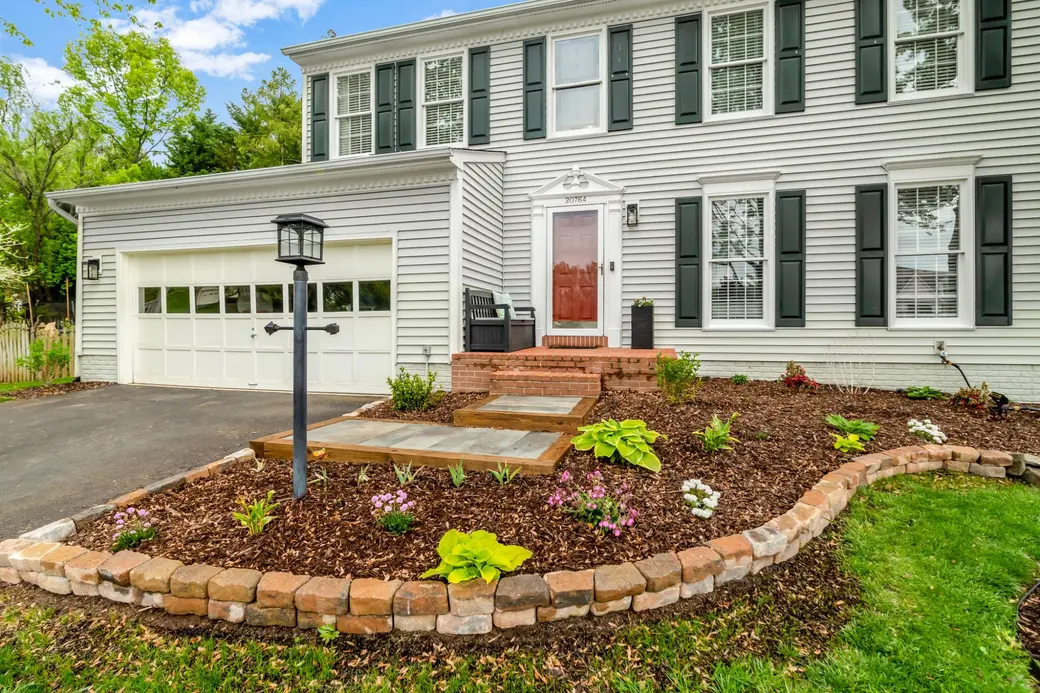
How Do You Write a Winning Offer in a Competitive Market?
Writing a winning offer in a competitive real estate market takes more than offering the highest price. Buyers in Northern Virginia need to understand how different contract terms can make their offers more attractive while protecting their financial interests. Earnest money, inspection and appraisal contingencies, closing dates, and seller credits can all influence how a seller evaluates an offer.
Whether you're buying a home in South Riding, Loudoun County, Fairfax County, or another Northern Virginia community, the goal is to create an offer that is competitive, realistic, and financially comfortable for you.
A strong offer should show the seller that you're serious and prepared, but it should also give you reasonable protection throughout the transaction. Before making your next move, here's what you should understand about writing an offer that stands out.
What Makes a Home Offer Competitive in Northern Virginia?
When sellers receive multiple offers, they don't always choose the one with the highest purchase price. They often compare the entire offer, including the buyer's financing, deposit, contingencies, closing timeline, and requested concessions.
For example, a seller may prefer an offer with a slightly lower price if it has a more flexible closing date or fewer conditions that could delay the transaction.
Before submitting an offer, consider these important factors:
- Mortgage pre-approval: A current pre-approval letter helps demonstrate that you've spoken with a lender and understand your financing options.
- Purchase price: Your offer should reflect comparable sales, property condition, and the level of competition.
- Earnest money deposit: A well-planned deposit can demonstrate your commitment to completing the purchase.
- Contingencies: Inspection, financing, and appraisal protections can affect how much risk the seller sees in your offer.
- Closing date: A timeline that matches the seller's needs may make your offer more appealing.
- Seller credits: Requests for help with closing costs or other expenses should be considered alongside the purchase price and overall offer terms.
The first step is understanding what matters to the seller. If possible, your agent can communicate with the listing agent to learn about the seller's preferred timeline, potential competing offers, and other priorities.
How Much Earnest Money Should I Offer?
Earnest money is a deposit buyers provide after entering into a purchase agreement to demonstrate their intention to move forward with the transaction.
It is sometimes called a good-faith deposit because it shows the seller that you're serious about purchasing the property.
In Northern Virginia, buyers may commonly see earnest money deposits around 1% to 2% of the purchase price, although the appropriate amount depends on the property, market conditions, and contract terms. This is a general reference, not a required amount.
For example, on a $600,000 home:
|
Deposit percentage |
Earnest money amount |
|
1% |
$6,000 |
|
1.5% |
$9,000 |
|
2% |
$12,000 |
A larger deposit may help demonstrate financial commitment, particularly when multiple buyers are competing for the same property.
Does earnest money count toward your down payment?
Generally, yes. If the transaction closes, the earnest money deposit is credited toward the buyer's funds due at settlement according to the contract.
This means it isn't usually an additional expense on top of the purchase price. However, it does mean that some of your money is committed earlier in the transaction.
Can you lose your earnest money?
Yes. The deposit may be at risk if a buyer fails to meet contractual obligations or terminates the agreement without a valid contractual right to do so.
Applicable contingencies and deadlines matter. Buyers should understand the conditions under which their deposit may be protected or potentially forfeited before signing.
A larger earnest money deposit can strengthen your offer, but it should never be so large that it creates financial pressure or leaves you without enough cash for closing and other expenses.
Should I Waive Contingencies to Win a Home?
Contingencies are conditions written into a purchase agreement that can provide buyers with certain protections if specific requirements aren't met.
In a competitive market, some buyers consider waiving contingencies to make their offers more attractive. While this can reduce uncertainty for sellers, it can also expose buyers to significant financial risks.
The key is understanding what each contingency protects you from before deciding whether to keep, modify, or waive it.
What is a home inspection contingency?
A home inspection contingency gives buyers a contractual opportunity to have the property inspected and address concerns according to the terms of the agreement.
An inspection can reveal issues involving:
- Roofing and structural components.
- Plumbing and electrical systems.
- Heating and cooling equipment.
- Water intrusion and drainage.
- Windows, doors, and other major components.
Some buyers consider shortening the inspection period or negotiating an inspection with more limited repair requests instead of completely waiving the contingency.
Another option may be conducting a pre-offer inspection, if the seller permits access and the timing allows it.
However, an inspection for informational purposes is not necessarily the same as having a contractual right to terminate or negotiate based on the findings. The actual protections depend on the agreement and applicable addenda.
What is a financing contingency?
A financing contingency can protect buyers if they cannot obtain the financing described in the purchase agreement, subject to the contract's requirements and deadlines.
Waiving this protection may make an offer more attractive to a seller, but it can be risky if the lender ultimately cannot approve the loan.
Before considering this option, buyers should understand their financial qualifications, lender requirements, and the possibility of changes during underwriting.
Should you waive contingencies altogether?
Not necessarily.
Removing contingencies may make an offer more appealing, but it can also mean taking on risks that could become expensive.
Instead of automatically waiving protections, discuss whether you can make an offer more competitive through other terms, such as:
- A stronger earnest money deposit.
- A shorter inspection period.
- A closing date that works for the seller.
- A realistic appraisal-gap commitment.
- A competitive purchase price supported by comparable sales.
The best approach is to balance the strength of your offer with the level of risk you're comfortable accepting.
What Is an Appraisal Gap?
An appraisal gap happens when a home's appraised value comes in lower than the purchase price agreed upon by the buyer and seller.
This can become an issue when the buyer is using mortgage financing because lenders generally base their loan calculations on the appraised value and applicable loan-to-value requirements.
For example, imagine you offer $600,000 for a home, but the appraisal comes back at $580,000.
|
Item |
Amount |
|
Agreed purchase price |
$600,000 |
|
Appraised value |
$580,000 |
|
Difference |
$20,000 |
The $20,000 difference is the appraisal gap.
Depending on the financing and contract terms, the buyer and seller may need to renegotiate the purchase price, the buyer may need to bring additional funds, or the buyer may have rights under an appraisal contingency.
How does an appraisal-gap guarantee work?
An appraisal-gap provision can state that the buyer is willing to contribute a specified amount toward a shortfall between the appraised value and the agreed purchase price.
For example, a buyer might agree to cover an appraisal gap of up to $10,000.
Using the earlier example, if the appraisal is $580,000 and the buyer has agreed to cover up to $10,000, the buyer may need to contribute that additional amount beyond the funds otherwise required under the loan and contract terms.
The exact amount depends on how the provision is written and how the lender calculates the loan.
Is offering to cover an appraisal gap a good idea?
It can make an offer more competitive, particularly when a property has multiple interested buyers.
However, buyers should consider whether they have enough available cash to cover the gap without affecting their emergency savings or other financial plans.
An appraisal-gap commitment is not the same as simply offering a higher purchase price. It creates a specific financial obligation if the appraisal comes in below the agreed amount.
Before including one, discuss the potential appraisal scenarios with your agent and lender.
Do Seller Credits Still Work in a Competitive Market?
Yes. Seller credits can still be part of a competitive offer, although whether a seller agrees depends on the property, market conditions, and the overall terms of the transaction.
A seller credit is an amount the seller agrees to contribute toward certain buyer expenses at closing, subject to the purchase agreement, lender requirements, and applicable program limits.
Buyers may request seller credits to help with:
- Eligible closing costs.
- Prepaid property taxes and homeowners insurance.
- Certain lender-approved expenses.
- Eligible mortgage discount points or rate buydown costs.
For example, a buyer may offer the seller the full asking price while requesting a credit toward eligible closing expenses.
The seller will consider the purchase price and requested credit together when evaluating the offer.
When are seller credits more likely to work?
Seller credits may be easier to negotiate when:
- The property has been on the market for an extended period.
- There are fewer competing offers.
- The seller is motivated to complete the transaction.
- The home needs repairs or updates.
- The overall offer still provides the seller with an acceptable net amount.
In a multiple-offer situation, a large seller-credit request may make your offer less attractive, especially if another buyer is offering similar terms without requesting assistance.
Can seller credits help lower your mortgage payment?
In some cases, seller contributions can be used toward eligible mortgage discount points or a temporary rate buydown, depending on the loan program and lender approval.
A rate buydown may reduce the buyer's interest rate for a specified period or through the life of the loan, depending on the arrangement.
However, not all costs are eligible, and seller-concession limits vary by loan type, occupancy, and other requirements. Buyers should confirm the available options and limits with their lender before including a credit request.
The important thing is to evaluate how the credit affects your total costs and monthly payment rather than assuming every seller contribution provides the same benefit.
Which Offer Terms Matter Most When Competing Against Other Buyers?
A competitive offer is a combination of price, financial commitment, contract protections, and timing.
Each offer term has a different purpose. Some can make your offer more appealing to the seller, while others protect you from potential financial or property-related problems.
Here's how the main offer levers compare:
|
Offer lever |
How it strengthens your offer |
What it costs or protects you from |
|
Higher purchase price |
Gives the seller a stronger headline offer. |
Costs more and may create appraisal or financing challenges. |
|
Larger earnest money deposit |
Demonstrates financial commitment. |
Ties up more cash and may be at risk under certain contract circumstances. |
|
Shorter inspection period |
Gives the seller a quicker path through inspection-related decisions. |
Reduces the time available to evaluate the property. |
|
Waiving inspection protection |
Removes a potential contractual obstacle for the seller. |
Exposes you to unexpected repair costs and fewer contractual options. |
|
Financing contingency |
Shows the buyer's financing conditions and protects them under the agreed terms. |
May make the offer less attractive to a seller seeking fewer contingencies. |
|
Appraisal-gap commitment |
Gives the seller more confidence if the appraisal is lower than the purchase price. |
Requires additional cash if the appraisal gap occurs. |
|
Flexible closing date |
Accommodates the seller's moving or settlement needs. |
May require adjustments to your own moving or housing plans. |
|
Seller credits |
Helps the buyer with eligible expenses. |
Reduces the seller's net proceeds and may make the offer less attractive. |
There isn't one combination that works for every property.
For example, a seller who needs additional time to move may value a flexible closing date more than a slightly higher purchase price. Another seller may prioritize a clean offer with fewer contingencies.
Understanding what the seller values can help you focus on the terms that make the biggest difference.
How Can You Make Your Offer Stand Out Without Overpaying?
Winning a home shouldn't mean abandoning your budget or accepting unnecessary risks.
Before submitting an offer, take time to understand the property's market value and determine how much you're comfortable spending.
Here are some ways to strengthen your offer without automatically increasing the purchase price.
Get fully prepared before making an offer.
Speak with your lender, obtain a current pre-approval letter, and understand your available funds for the down payment, closing costs, and potential appraisal gap.
Review comparable sales.
Look at recent sales of similar properties in the same neighborhood or nearby communities. Consider differences in condition, size, layout, upgrades, and location.
Understand the seller's priorities.
Your agent can communicate with the listing agent to learn whether the seller has a preferred closing date, needs additional time after settlement, or has other important considerations.
Consider an escalation clause when appropriate.
An escalation clause may allow your offer to increase above a competing bona fide offer up to a maximum amount, subject to the language and requirements of the agreement.
It can be useful in certain multiple-offer situations, but buyers should establish a firm maximum and understand the conditions under which the clause applies.
Keep your offer clear and complete.
Make sure the purchase agreement and required addenda are completed correctly. Missing information, unclear terms, or incomplete documentation can create unnecessary complications.
Ultimately, a strong offer should be competitive while remaining within your financial comfort zone.
What Should South Riding Buyers Know About Competitive Offers?
South Riding is a useful example of why buyers should look beyond broad market headlines and evaluate individual property types.
The Fall 2026 South Riding market update shows that townhomes and detached single-family homes are experiencing different inventory conditions.
Are South Riding townhomes moving faster?
Townhomes are currently experiencing tighter supply.
In September 2026, nine South Riding townhomes sold against eight active townhome listings, representing less than one month of supply. This indicates a particularly competitive environment for buyers looking for townhomes in the community.
When inventory is this limited, buyers may need to be prepared to act quickly when a well-priced property becomes available.
That doesn't mean every townhome requires an aggressive offer or waived contingencies. It means buyers should understand the property's value, have their financing ready, and be prepared to submit well-structured terms.
For South Riding townhome buyers, consider:
- Getting pre-approved before beginning your search.
- Reviewing comparable townhome sales within the community.
- Preparing a reasonable earnest money deposit.
- Understanding the inspection and appraisal terms before making an offer.
- Being flexible with the seller's preferred settlement date when possible.
Do single-family homes give buyers more room to negotiate?
The detached single-family market shows a different picture.
In September 2026, five South Riding detached homes sold against nine active listings, representing closer to two months of supply.
This gives buyers more selection and potentially more room to negotiate than in the townhome segment.
Some sellers may be more open to discussing price adjustments, closing-cost assistance, or other terms, depending on how long their property has been listed and how it compares with competing homes.
For buyers considering a detached home, it may be worth exploring:
- Whether the asking price is supported by recent comparable sales.
- How long the property has been on the market.
- Whether the seller has already reduced the price.
- Whether the home needs repairs or updates.
- Whether a seller credit could help with eligible closing expenses.
However, more inventory does not mean every seller is willing to negotiate. A well-priced single-family home in a desirable location may still attract strong interest.
Why should South Riding buyers compare properties by type?
A townhome and a detached home may be located in the same community, but they can have very different buyer demand, pricing, and competition.
Using overall South Riding market statistics alone may not provide an accurate picture of the property you're considering.
A more useful approach is to review recent comparable sales, active listings, and pending transactions for the specific property type and neighborhood.
That way, you can decide how competitive your offer needs to be instead of assuming every home requires the same strategy.
What Happens After Your Offer Is Accepted?
Getting your offer accepted is an important milestone, but there are still several steps before you officially become the homeowner.
Once the parties have agreed to the contract terms and completed the required signatures, the transaction moves into the next stage.
Here's what generally happens:
Earnest money deposit: The buyer delivers the deposit according to the purchase agreement and its deadlines.
Home inspection: If included in the contract, the buyer completes the inspection within the applicable timeframe and follows the agreed procedure.
Loan processing: The lender continues reviewing financial documents, employment information, property details, and other underwriting requirements.
Appraisal: The lender coordinates an appraisal to evaluate the property's value for financing purposes.
Title and settlement preparation: The settlement company coordinates title work, prepares closing documents, and confirms the financial details.
Final walkthrough: The buyer typically completes a walkthrough before settlement to verify the property's condition according to the contract.
Closing: The buyer completes the required paperwork and financial arrangements, and ownership transfers according to the settlement process.
In Virginia, the residential purchase contract was updated for use beginning May 4, 2026. The updated Virginia REALTORS® contract resources explain that buyers must specifically indicate whether an appraisal contingency applies and attach the applicable appraisal addendum when one is selected. Home inspection contingencies also require the appropriate selection and addendum.
This is one reason buyers should work carefully through the current contract and applicable addenda with their real estate professional.
Why Trust This Guide?
I'm Danielle, an agent with The Wateridge Group. For 13 years I've helped sellers across Northern Virginia, and I've guided more than 350 families through buying and selling, including many conversations about whether a project is worth it before listing.
I've also lived in South Riding for six years. I know which updates buyers here respond to, which ones they don't, and how condition affects price in each part of the neighborhood. When I help sellers prepare, I start with a walk-through and local sales data, not a renovation wish list, so every dollar you spend has a purpose.
If you're thinking about selling, I'm happy to walk through your home and help you decide what to fix, what to leave, and what it will mean for your price. Book a call here.
Categories
Recent Posts





Get More Information
