
Why Families Stay Longer in South Riding Than Nearby Communities
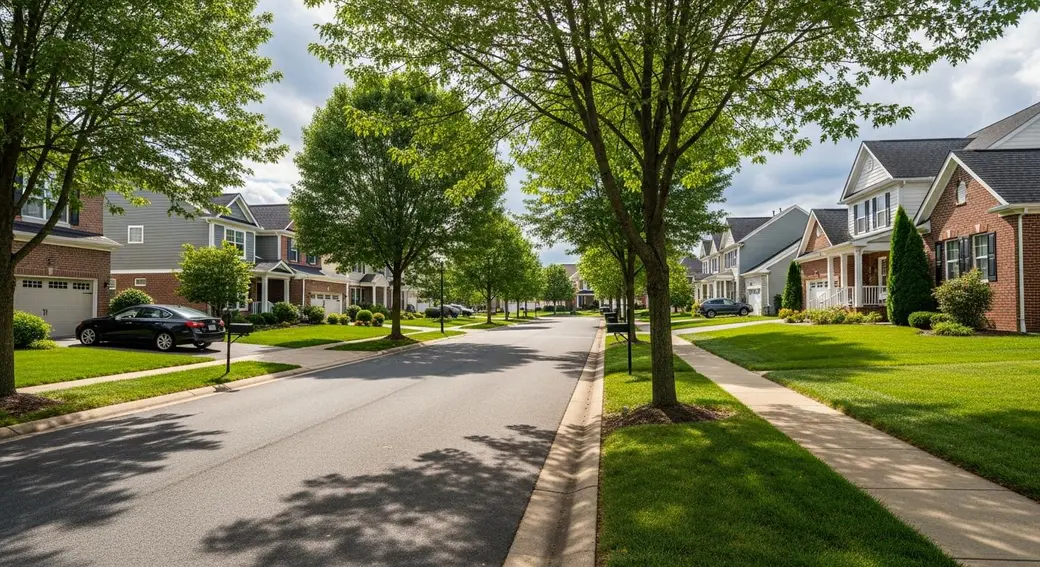
Why Families Stay Longer in South Riding Than Nearby Communities
If you look at turnover rates across Northern Virginia, one thing becomes clear very quickly: families in South Riding tend to stay in their homes longer than in many nearby communities.
That’s not by accident — and it’s not just about home prices.
As a South Riding resident and local real estate advisor, I’ve had hundreds of conversations with homeowners, buyers, and relocating families over the years. When you zoom out and connect the dots, there are clear reasons why people don’t just move to South Riding — they build their lives here.
This guide breaks down why families stay longer, what that stability means for homeowners, and how it quietly shapes the South Riding real estate market.
Long-Term Homeownership Is the Norm, Not the Exception
In many Northern Virginia neighborhoods, it’s common to see homeowners move every five to seven years. In South Riding, that timeline often stretches much longer.
Some of the most common patterns we see include:
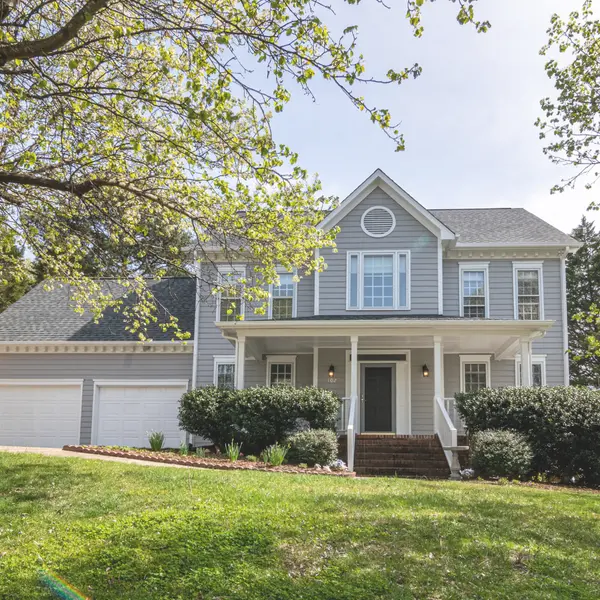
- Original owners still living in homes built in the late 1990s and early 2000s
- Families staying through multiple school transitions rather than relocating
- Homeowners choosing renovations, additions, or updates instead of moving
This longer ownership cycle creates something rare in today’s market: neighborhood continuity.
When people stay longer, streets feel more stable, relationships run deeper, and homes are maintained with long-term pride rather than short-term resale in mind. That stability didn’t happen overnight — it reflects how the neighborhood was originally designed and how it has matured over time.
How South Riding Has Evolved Since Homes Were Built in 1999–2000
Community Design That Supports Real Daily Life
South Riding wasn’t designed as a pass-through community — it was designed for everyday living.
Features that consistently keep families rooted here include:
- Walkable neighborhoods with sidewalks and interconnected trails
- Multiple pools, parks, and playgrounds woven into daily routines
- Convenient access to shopping, dining, and commuter routes
- A true neighborhood feel rather than isolated pockets of housing
Over time, these design choices matter more than people expect. It’s easy to underestimate how much convenience and connection influence whether a family feels settled — until they live somewhere that lacks it.
Schools That Anchor Families for the Long Term
Schools are one of the biggest reasons families stay in South Riding longer than in nearby areas.
Many homeowners move here when their children are young and stay all the way through high school — and sometimes even longer.
Rather than rehash school details here, I break that topic down fully in a dedicated guide: South Riding Schools Explained: Public, Private, and What Families Should Compare
What matters most isn’t just test scores or rankings. It’s how schools integrate into daily life, support families through different stages, and reduce the pressure to move simply for educational reasons.
A Lifestyle That Evolves as Families Grow
One of the most overlooked reasons families stay in South Riding is that the community works well for multiple life phases.
South Riding supports:
- Young families just getting started
- Busy middle school years filled with activities and schedules
- Teen independence with safe community spaces
- Empty nesters who still want connection and convenience
Many homeowners don’t fully appreciate this flexibility until they consider leaving — and then decide not to.
This long-term adaptability is something buyers often don’t understand until they’ve lived here for several years.
What People Don’t Realize About Living in South Riding Until Year 3–5
Stability Shapes the Local Real Estate Market
Because families stay longer in South Riding, the real estate market behaves differently than in higher-turnover areas.
That stability often means:
- Fewer homes for sale at any given time
- Sellers who are intentional rather than reactive
- Homes that reflect years of thoughtful maintenance and improvement
This creates a market that rewards planning. Homeowners who think ahead — even years in advance — tend to have more options and stronger outcomes when they eventually decide to sell. For many homeowners, staying longer eventually leads to quieter questions about what the next chapter might look like.
What Long-Term South Riding Homeowners Should Consider Before Making Their Next Move
What This Means If You Own a Home in South Riding
If you already live in South Riding, this long-term stability works in your favor — but only if you understand how to position yourself within it.
Questions worth thinking about include:
- How does your home compare to others that haven’t sold in 15–20 years?
- Which updates matter most in a low-turnover neighborhood?
- How does timing impact value when inventory is limited?
These are strategy conversations, not sales conversations — and they’re most valuable well before a move is imminent.
Related Reading
If you’re exploring South Riding from a deeper, long-term perspective, these guides may also be helpful:
- Is South Riding a Good Place to Live? The Ultimate Local Guide
- Living in South Riding, VA: What Locals Love (and What Buyers Should Know First)
Thinking Long-Term About Your Home in South Riding?
If you live in South Riding and want to understand how your home fits into the bigger picture — whether you plan to move soon or not — I’m happy to help.
This isn’t about selling. It’s about strategy, timing, and making informed decisions over time.
You can schedule a complimentary South Riding strategy session here: South Riding strategy session
Or email me directly at: danielle.wateridge@gmail.com
Categories
Recent Posts

Get More Information
